The premise
The Norse explored Atlantic Canada beyond the established 11th century site at L’anse aux Meadows, Newfoundland, with women amongst the explorers.
The reasoning
Butternuts and butternut burls were found on site at L’anse aux Meadows. Butternut only grows as far north as New Brunswick. Therefore, it would be reasonable to assume the Norse set foot on what is now Nova Scotia. It is also feasible for women to have been present based on items found on site - spindle whorls, needles for sewing and loom weights.
The question
If a female member of their group died and was buried on Nova Scotian soil, what grave finds would we discover?
The inspiration
The graves of Norse women discovered in Norway, complete with descriptions of the articles found buried with them.
The Project
Using only locally sourced materials, can I recreate some of the everyday items and grave finds of a Norse woman in the 11th century?
Where to begin? Many of the items would be used every day. Things like pots for cooking, vessels for drinking, plates, loom weights, and spindle whorls. These would be made from clay. This poses two questions: 1) where do I find the clay and 2) how do I fire harden the items?
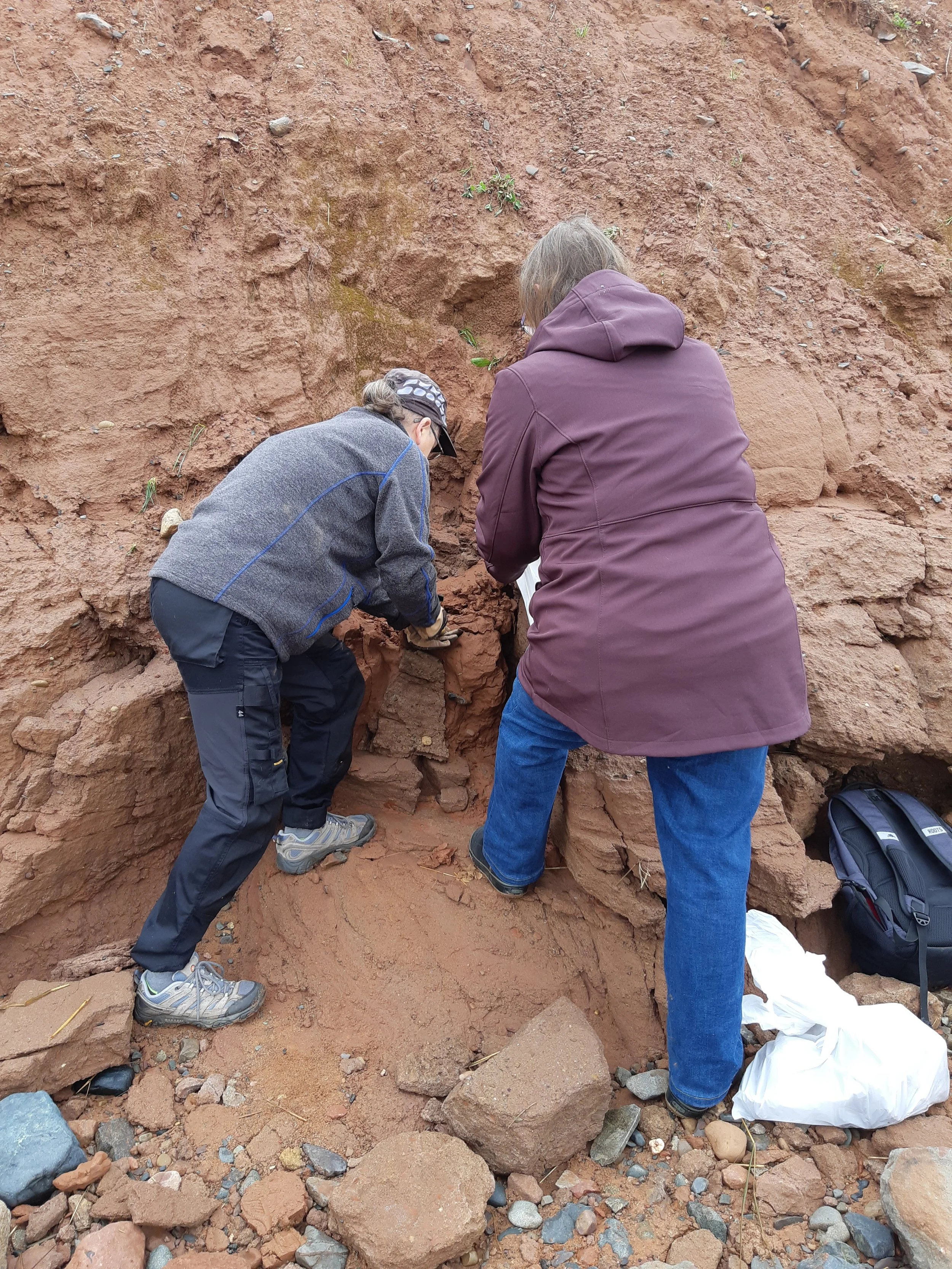
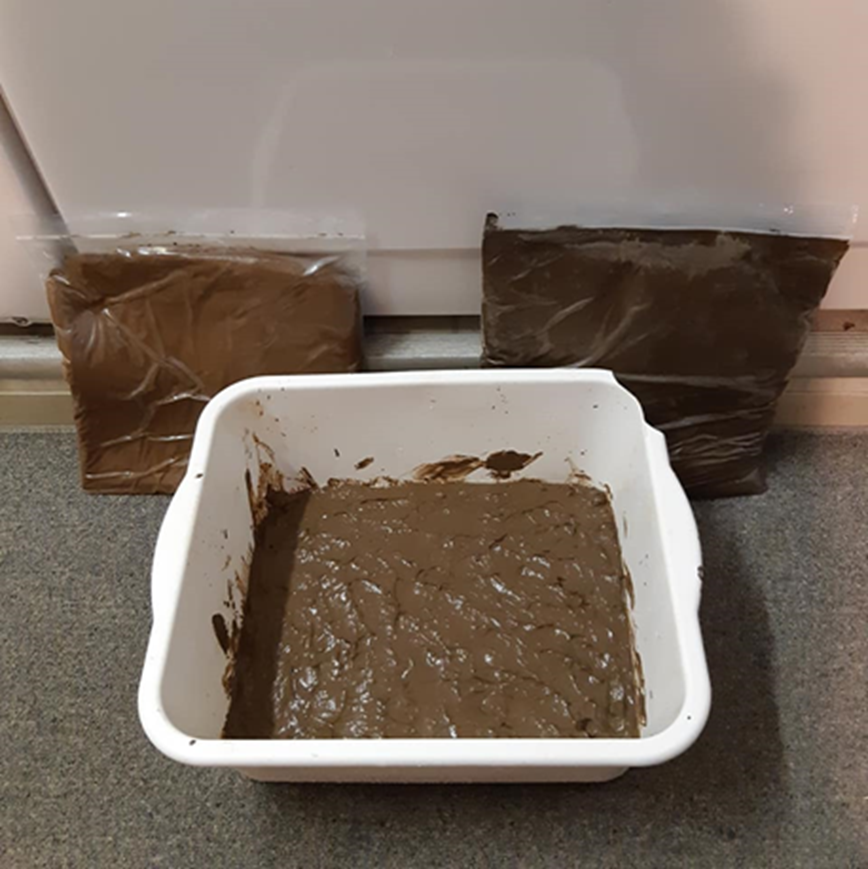
Clay was sampled from 7 sites in central Nova Scotia including the Bay of Fundy, and 1 site in PEI. A variety of extraction methods were used to obtain something that might be a workable natural clay.
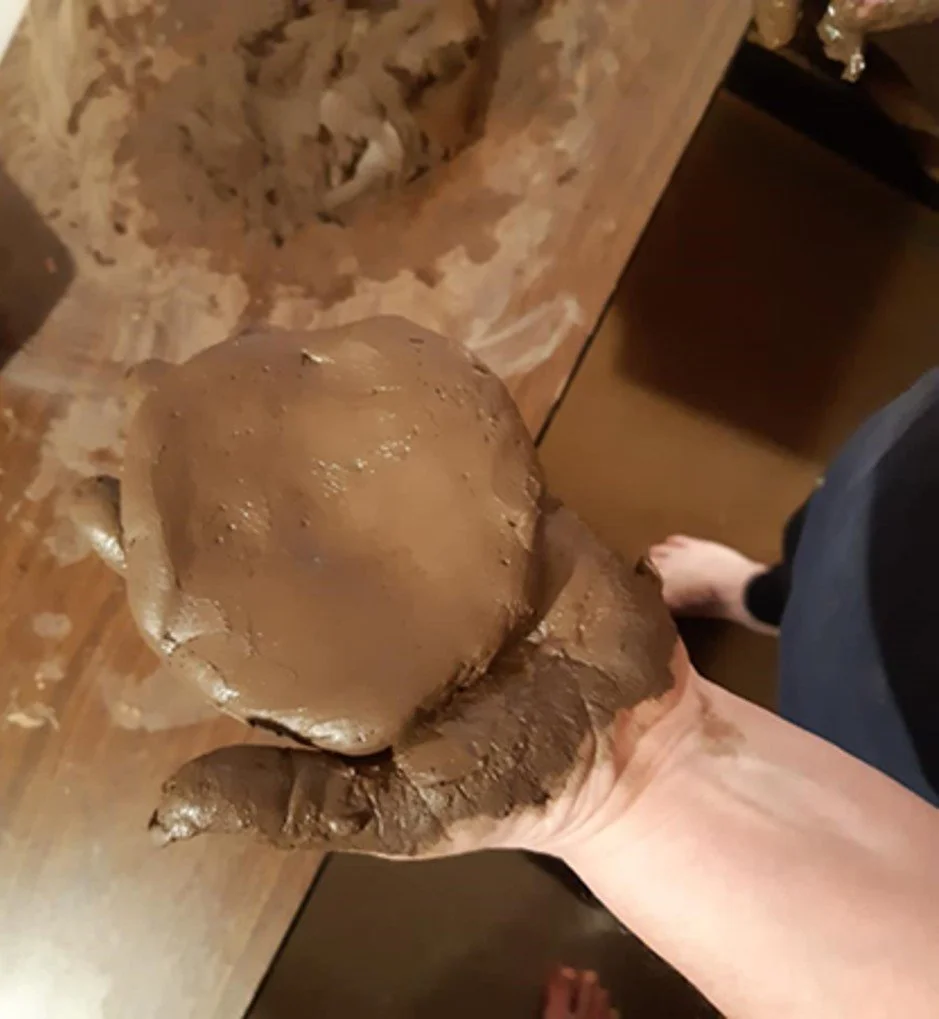
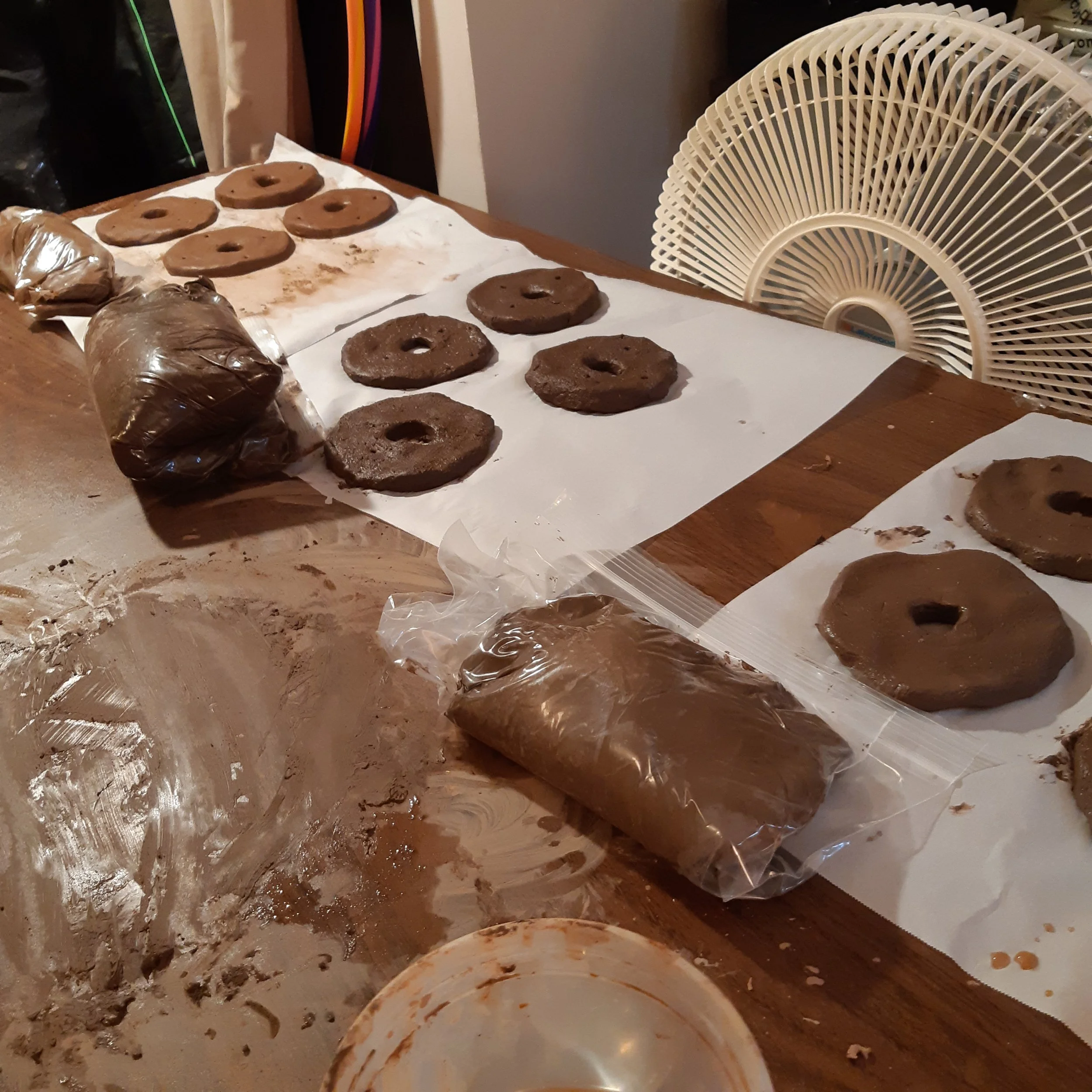
Sets of loom weights were created from each clay type to determine the amount of shrinkage after firing, and hardness. The size of the weight was determined from the available data to be approximately the size of my palm with the center hole to be about the size of a thumb pressed through,
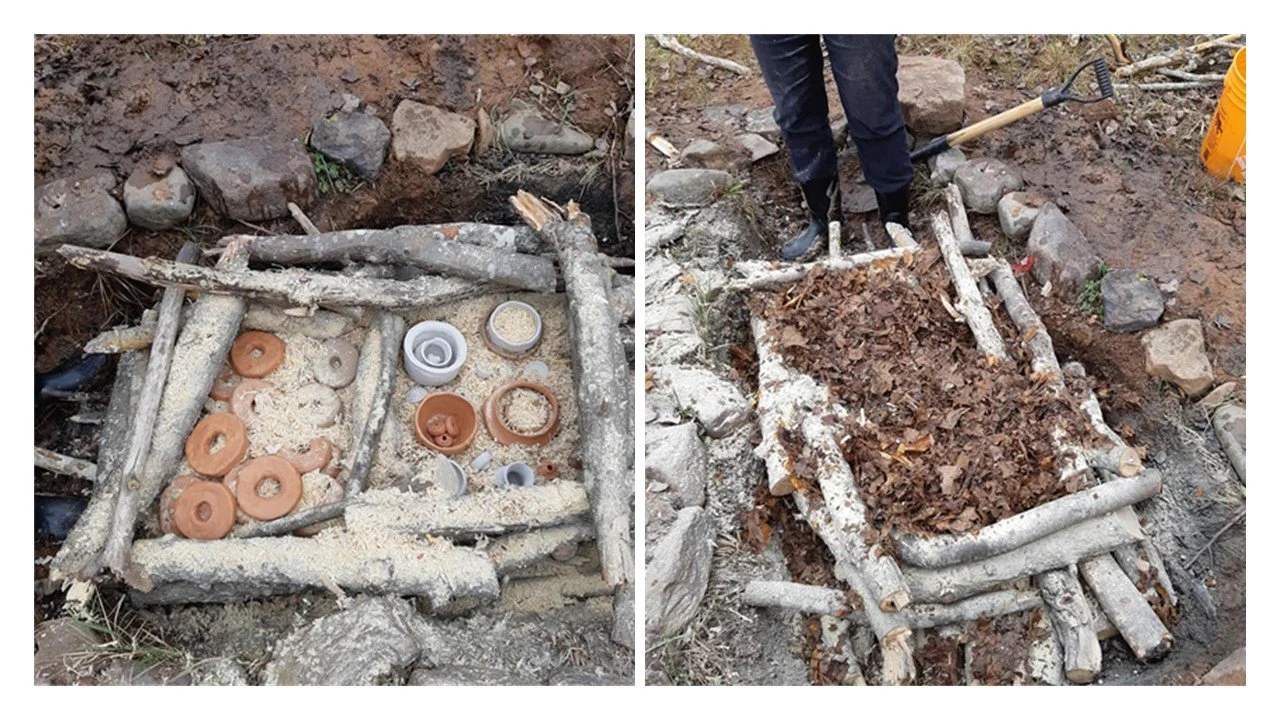
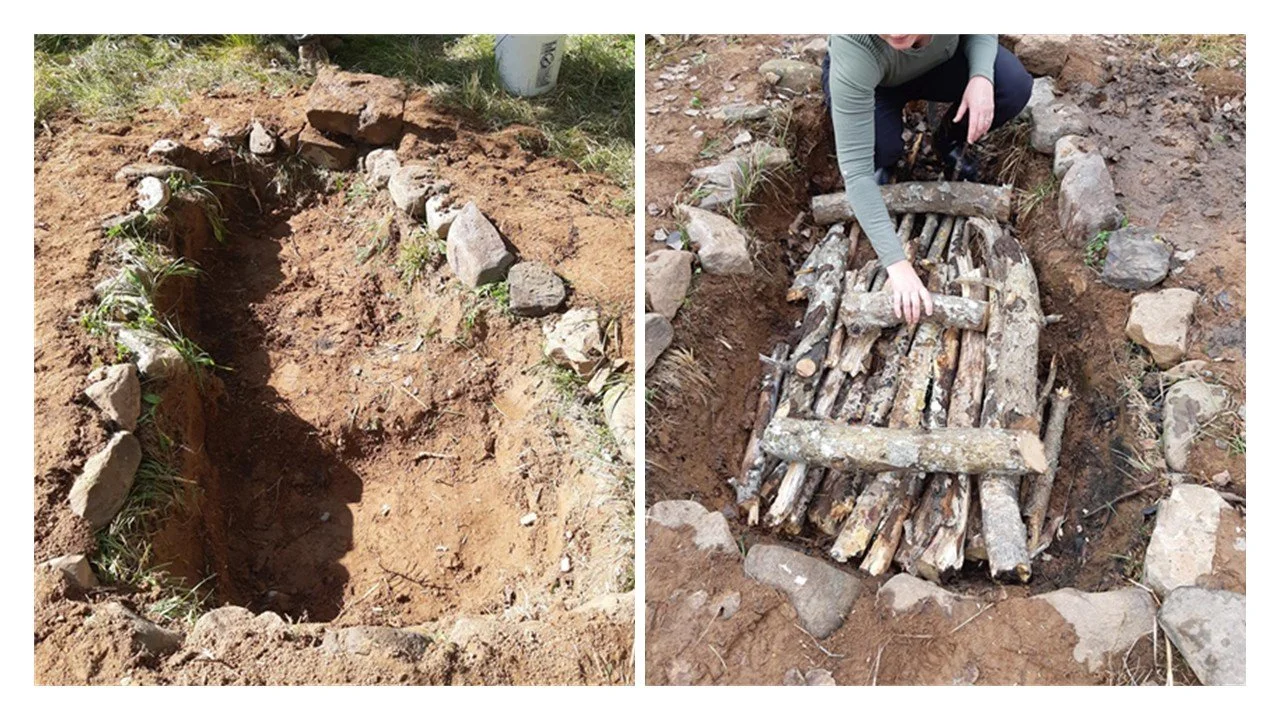
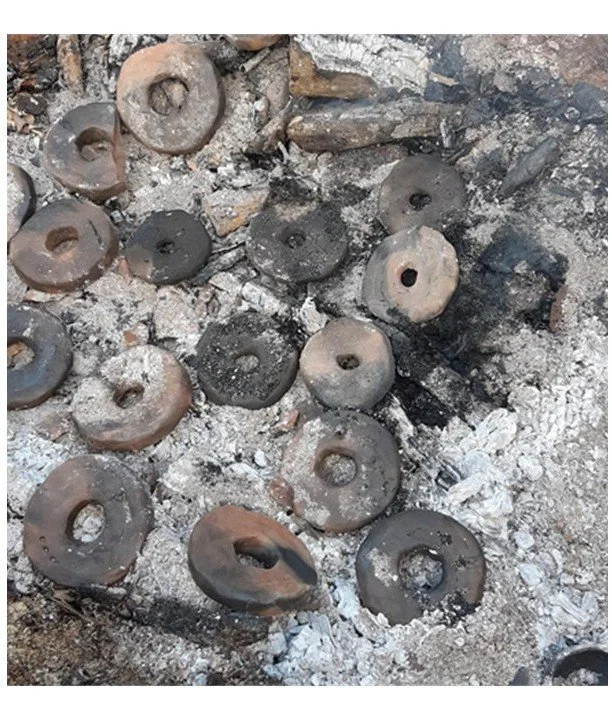
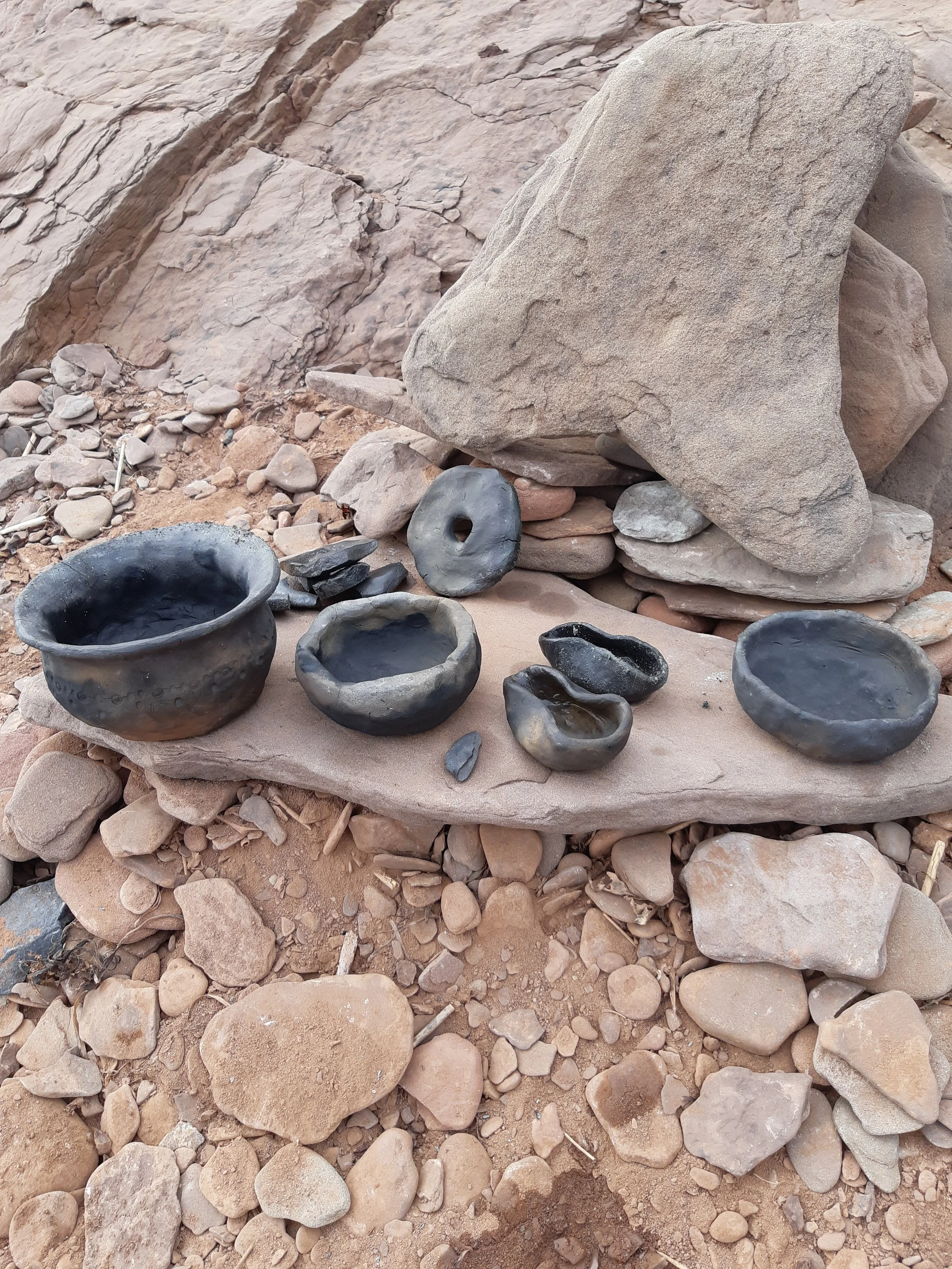
There were 4 different types of firing altogether - open pit slow firing, open pit rapid firing, 2 versions of a kiln and a beach pit. Seen above is our first open pit slow firing. In photo 3, you can see my loom weights on the left and pots made by Dame Isobel are on the right.
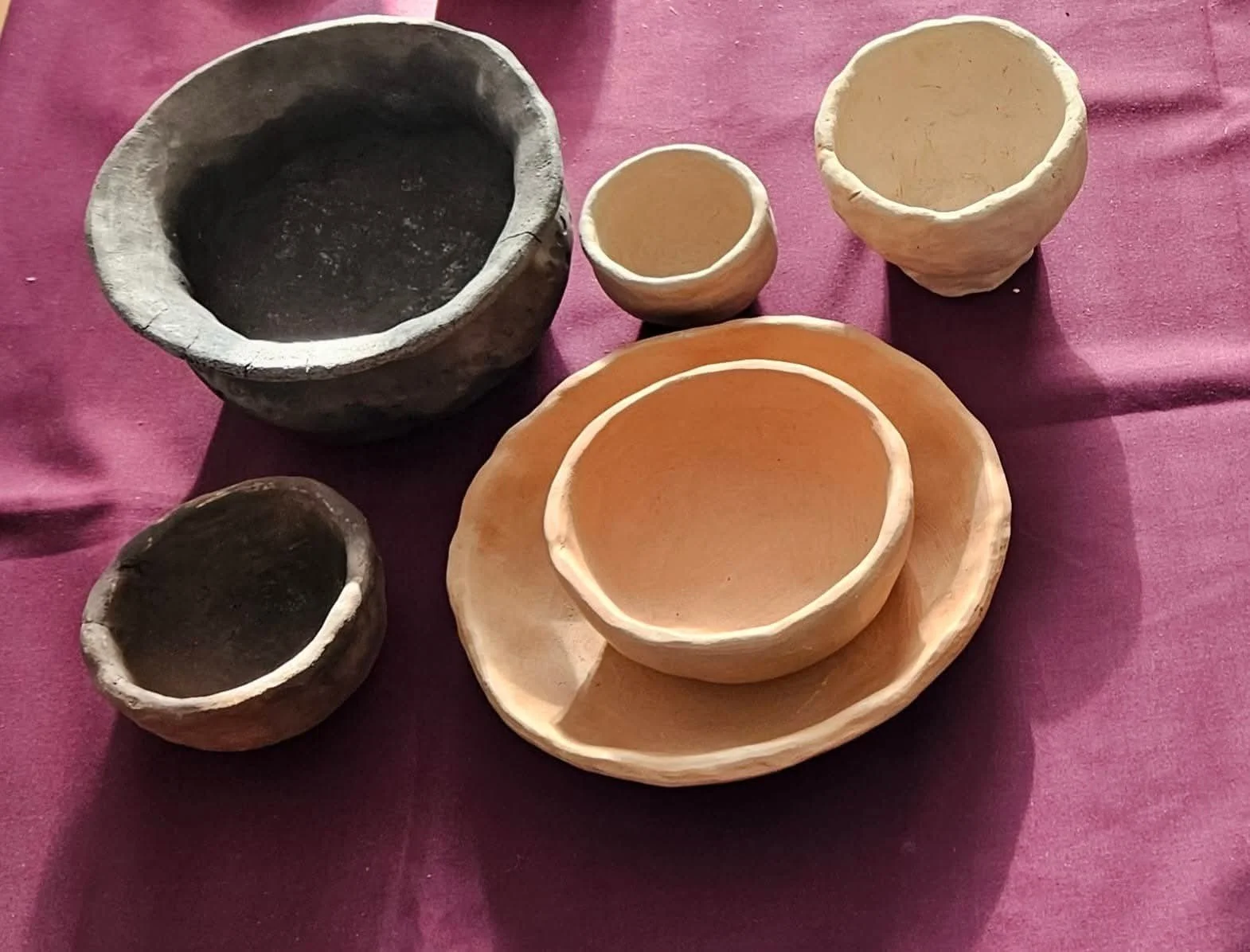
Pots, bowls, cups and oil lamps
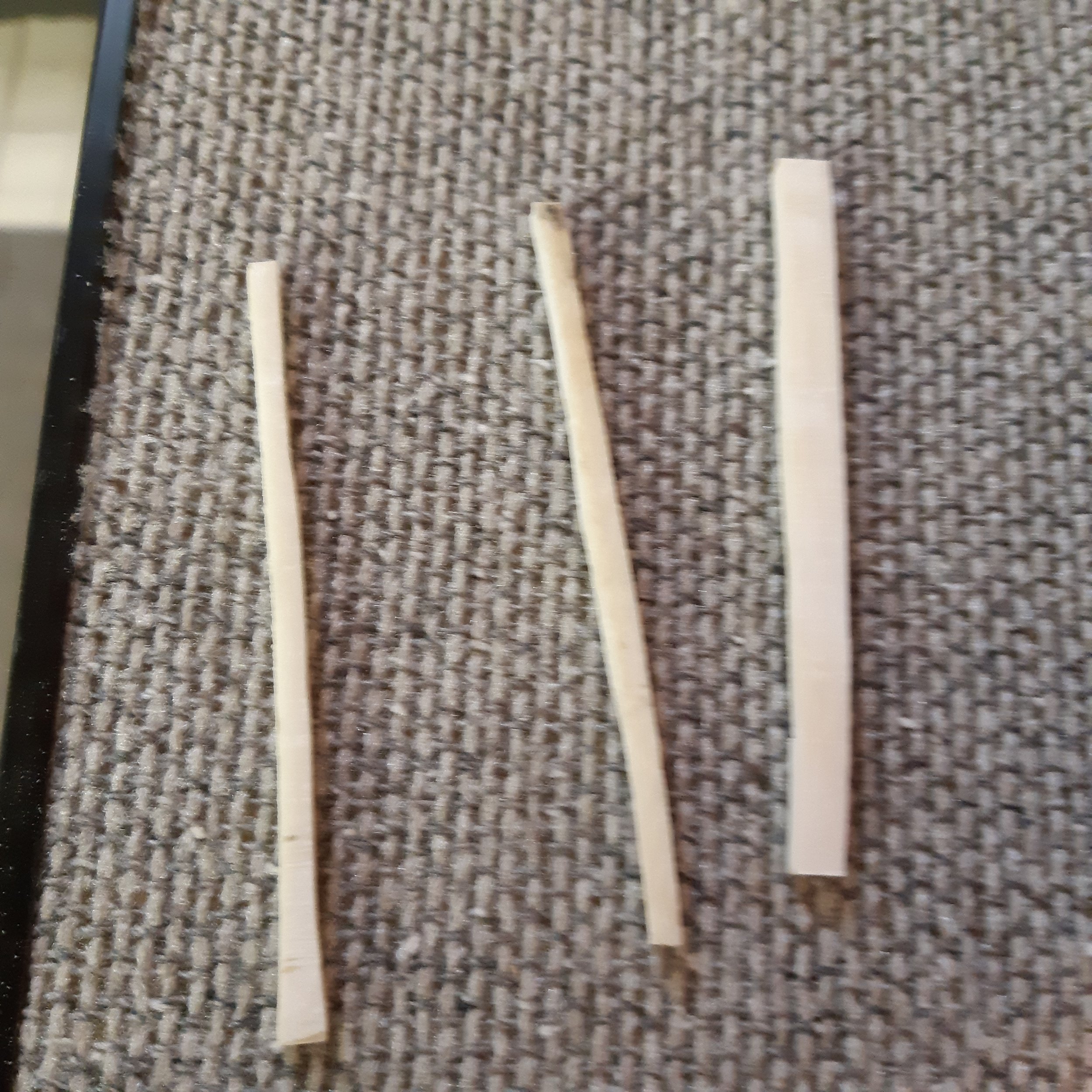
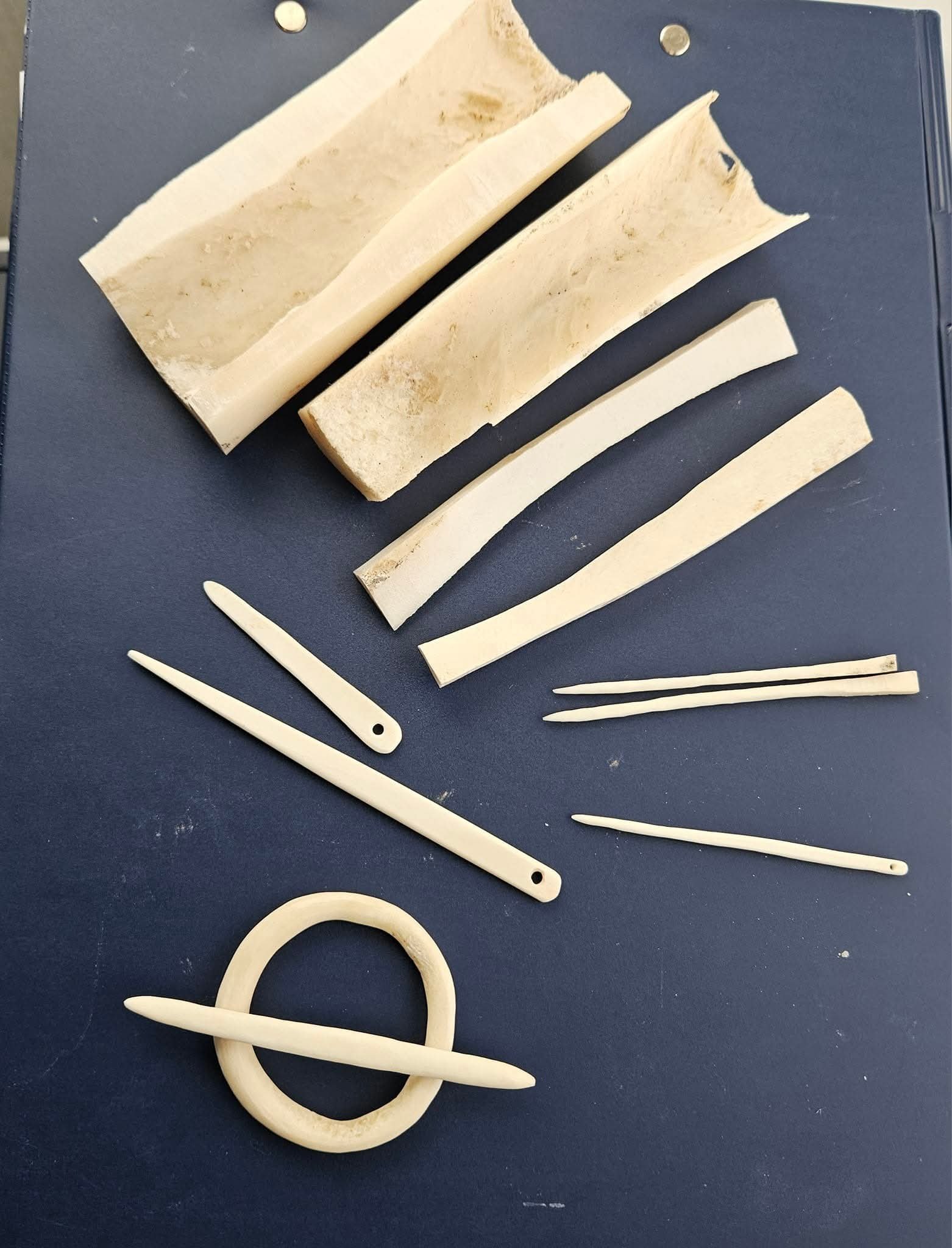
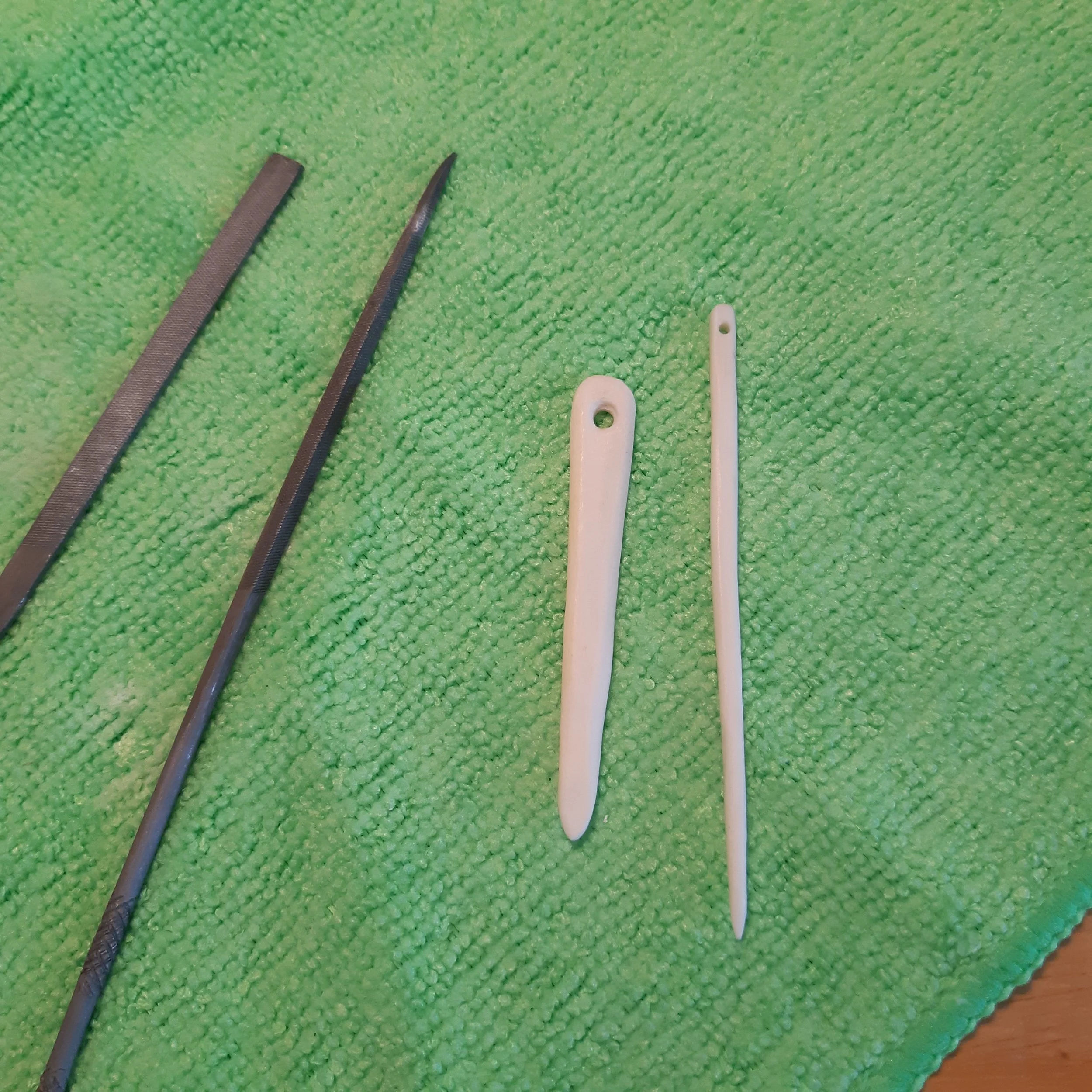
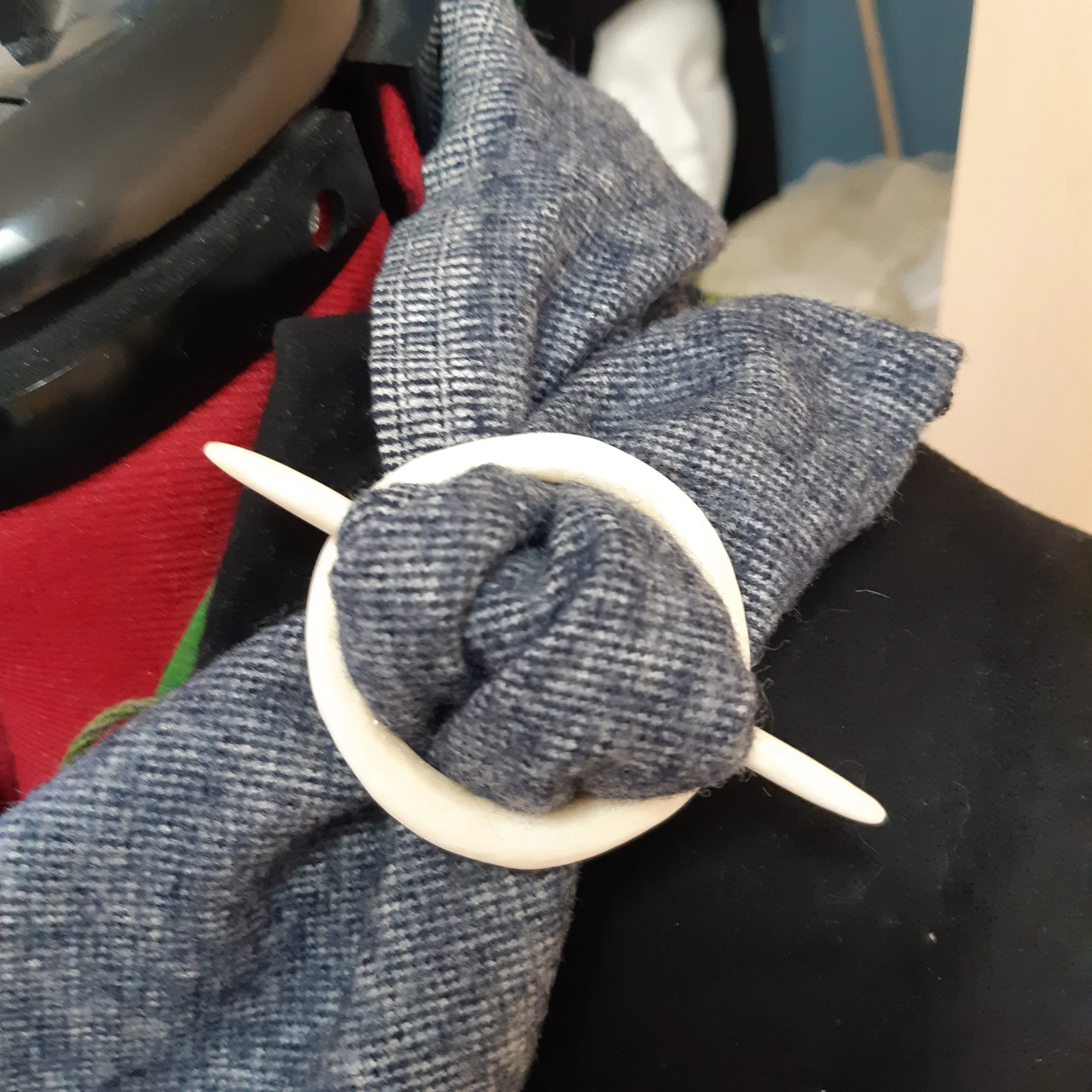
Working with bone
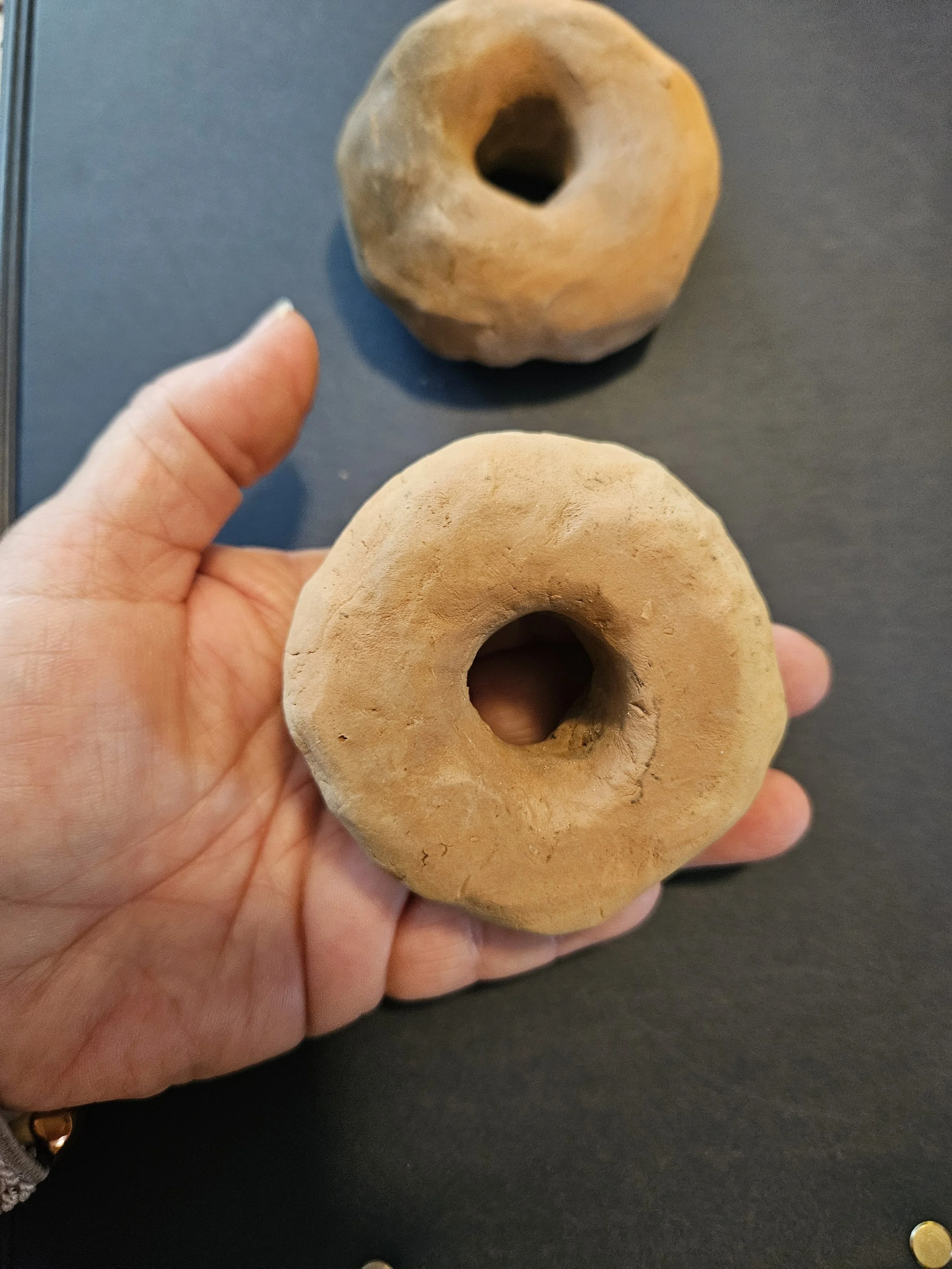
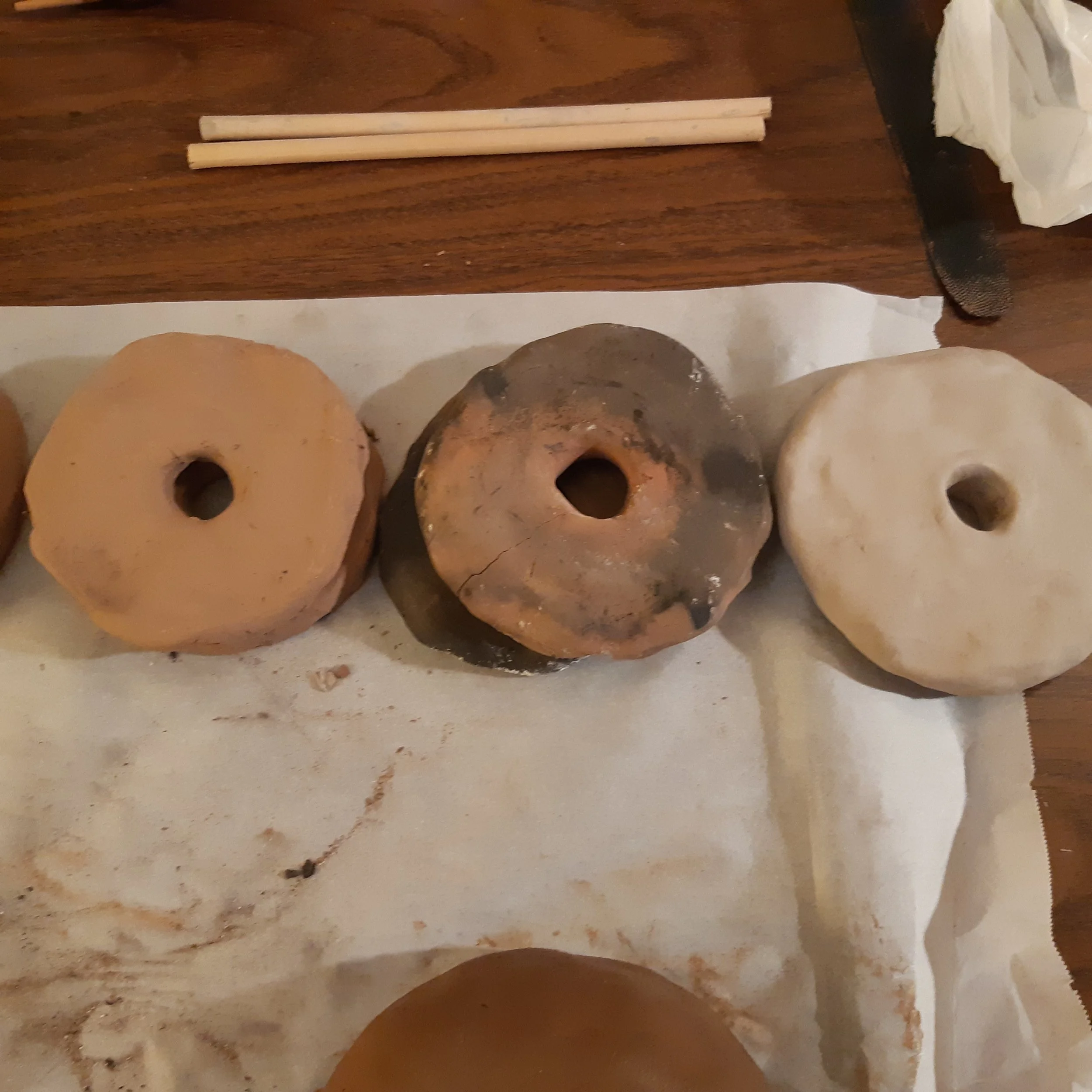
On the left are the fired loom weights as seen in the slow pit firing. Middle photo are examples of 1) natural clay with no firing, 2) natural clay fired (slow pit) and 3) commercial clay with no firing. This was done for comparison of hardness and if firing was really necessary for these items. In the right photo are examples of kiln fired (top) and non-fired (bottom) clay weights of a more robust design. I discovered that firing was not necessary for these types of items.
Beyond here is under construction
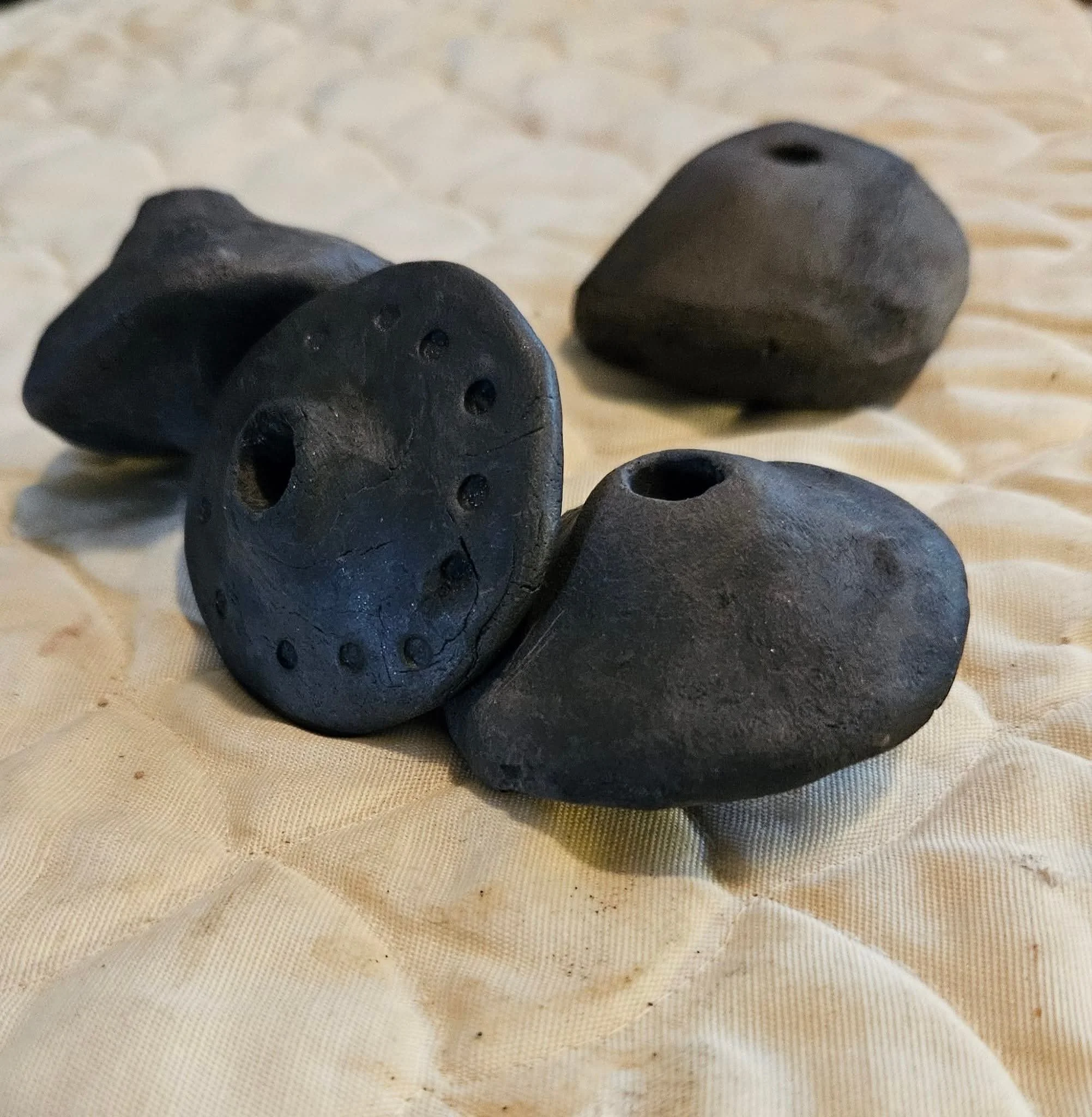
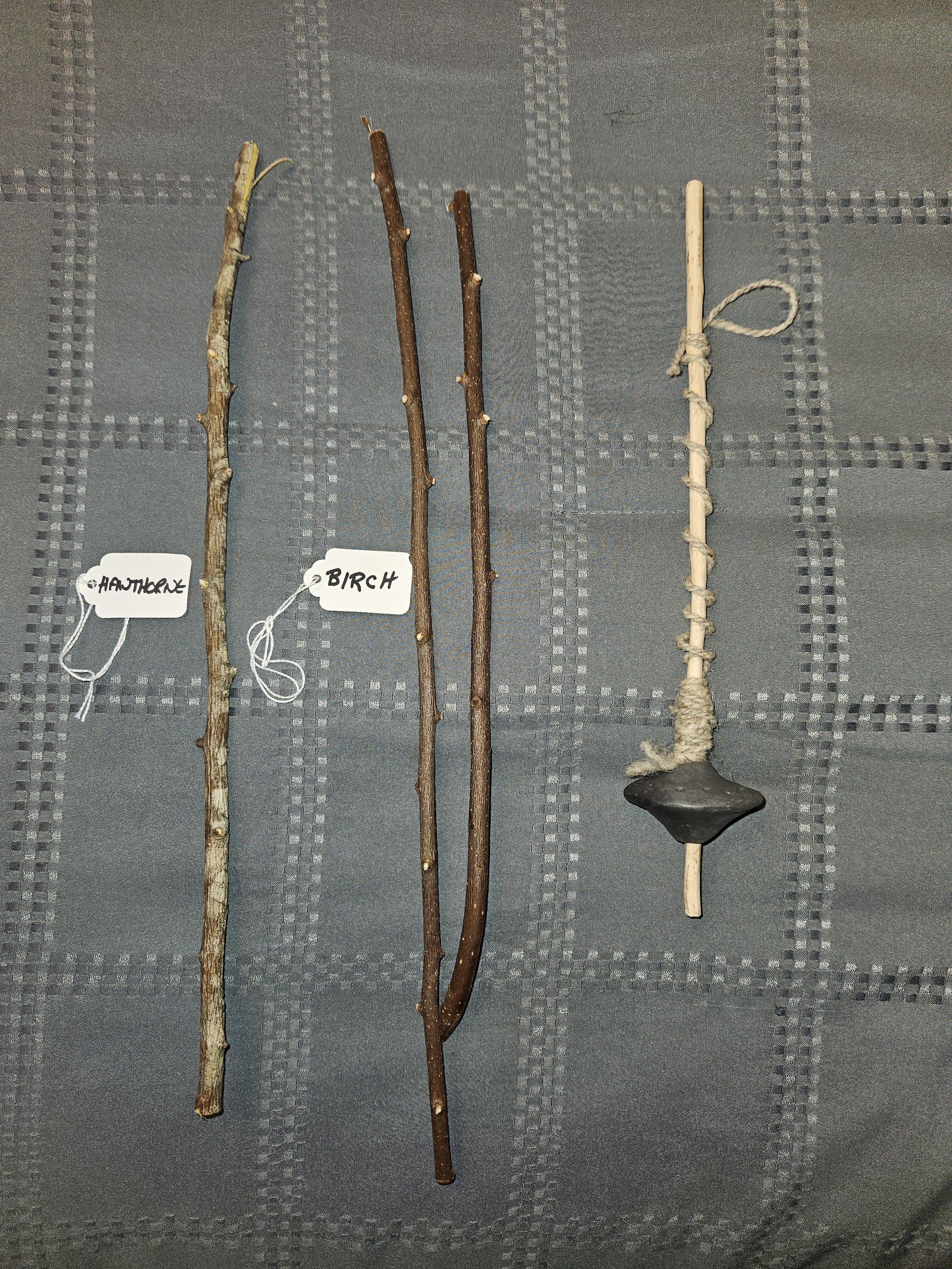
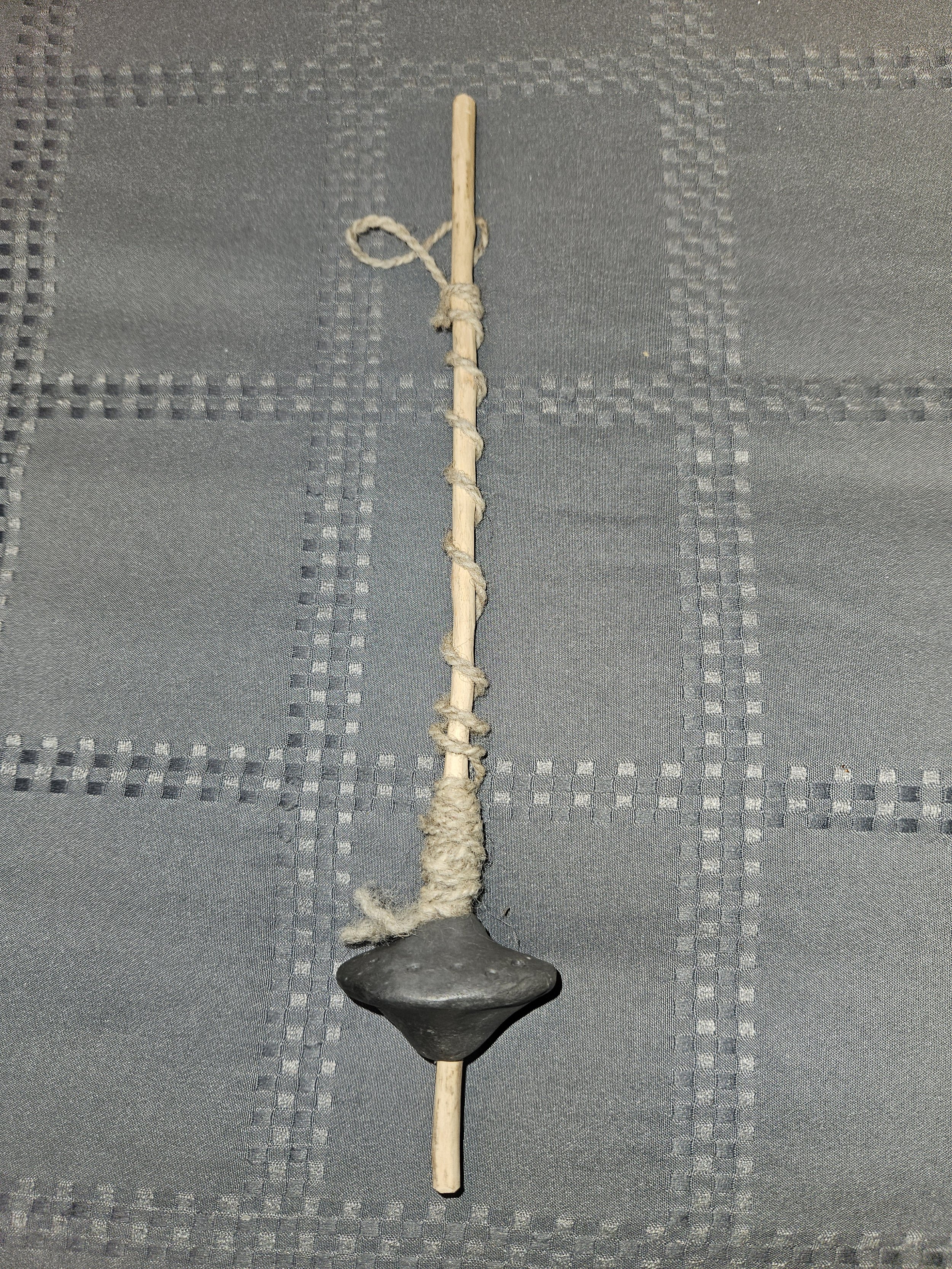
On the left are three biconical whorls (in the front) and one concave whorl (back right) from fired clay. The biggest problem I have discovered is getting them to balance better. On the right are samples of shafts from Hawthorne and Birch, and a completed set (also seen below).
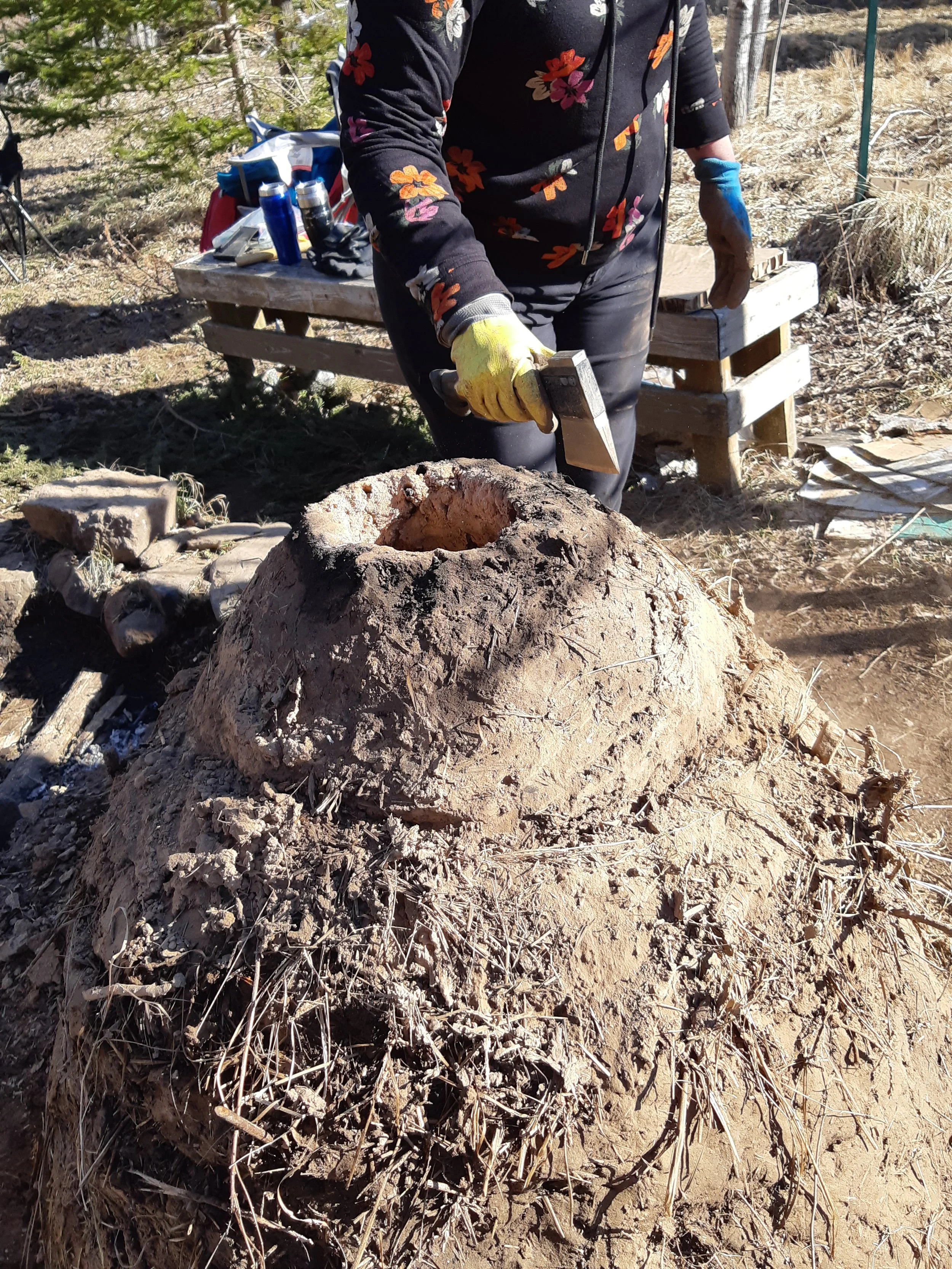
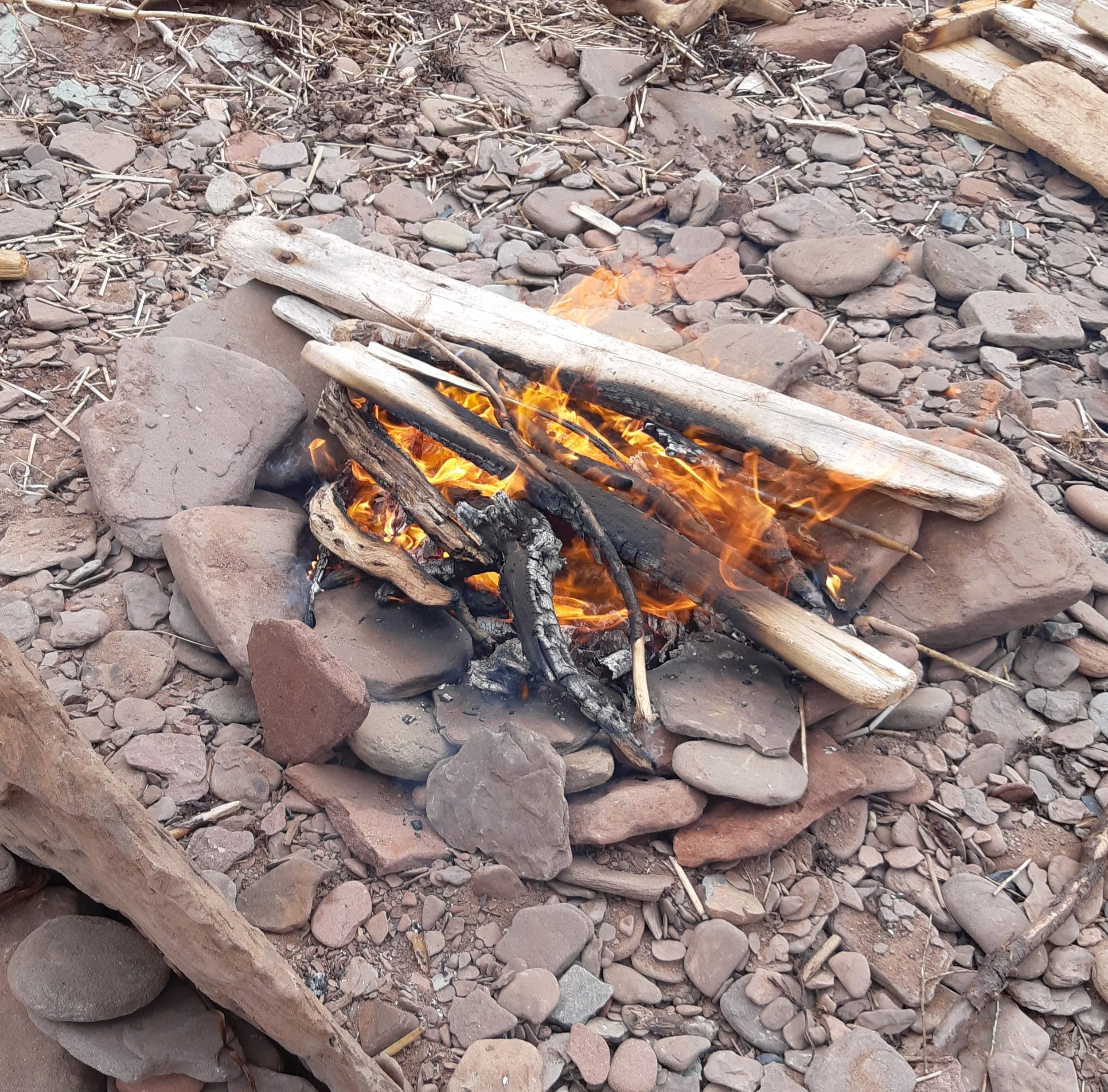
On the left is a version of kiln that we used and on the right is a beach pit firing.